

The Hidden Toll Mountain Living Takes on Your Log Home
- Canis Lupus Restoration
- May 5
- 2 min read
Mountain life is hard on everything: your truck, your deck, your skin. If your log home is sitting in the mountains of the West — Utah, Idaho, or Wyoming — it's no exception. There's a reason we see the same patterns on almost every mountain log home we work on. The elevation, the weather swings, the UV, the winters. It all adds up faster than most homeowners realize, in ways that aren't always obvious until the damage is already done.
The Sun Up Here Is No Joke
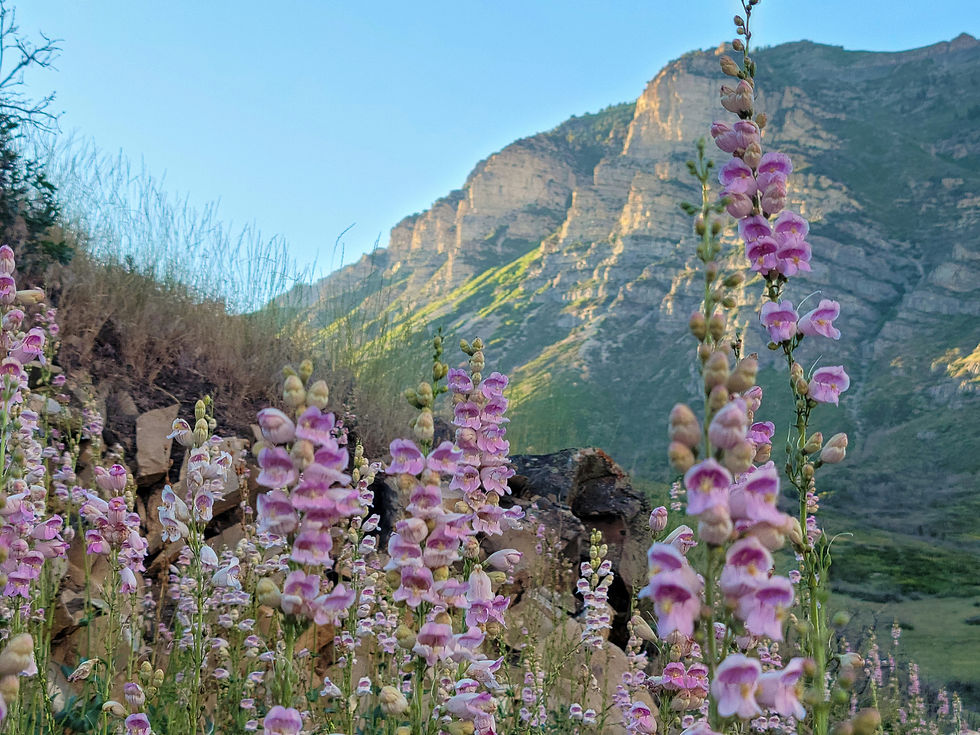
At elevation, UV radiation is significantly stronger than it is at sea level. That means the stain protecting your logs is breaking down faster than it would on a home sitting in the valley. What might last five or six years at lower elevation could start failing in three up here. Fading, graying, and loss of water repellency are all signs the UV has done its work. Once the finish goes, the wood underneath is fully exposed.
Freeze, Thaw, Repeat
Mountain temperatures don't just get cold. They swing. A spring day in the mountains can start below freezing and hit fifty degrees by afternoon. That kind of cycle is brutal on wood. Logs expand and contract constantly, and over time, that movement opens up checks, widens gaps, and puts stress on chinking and caulking. What sealed tight last fall may have a gap running through it by spring.
Snow Load and Moisture
A heavy winter does more than look beautiful. Snow sitting against log walls, ice damming at roof lines, and snowmelt working its way into unsealed gaps all introduce moisture where it doesn't belong. Moisture is the enemy of log homes. Left unchecked, it leads to soft wood, mold, and eventually rot. None of which are cheap to deal with.
Wind and Driving Rain
In the mountains, storms don't always come straight down. Wind-driven rain hits log walls at angles that flat rooflines and wide overhangs weren't always designed to handle. The south and west faces of a home often take the brunt of it, and those are usually the first places we see finish failure and moisture damage when we arrive for a job.
What This Means for Your Maintenance Schedule
A log home in the mountains needs more attention than one at lower elevation. Not because it was built poorly, but because the environment demands it. Staying on top of regular inspections, keeping your finish in good shape, and addressing chinking before gaps become problems will always cost less than waiting until the damage is done.
If your home has been through a few mountain winters without a good look, spring is the right time to change that.


Comments